Chalkbored Games
Games that turn a quiet Tuesday into a room with a waitlist.
Digital and interactive games built for bars, clubs, breweries, and the DJs and hosts who run their nights. Guests play on the phones already in their pockets. The room watches the big screen. Your host runs it all from a tablet, under your name and your colours.
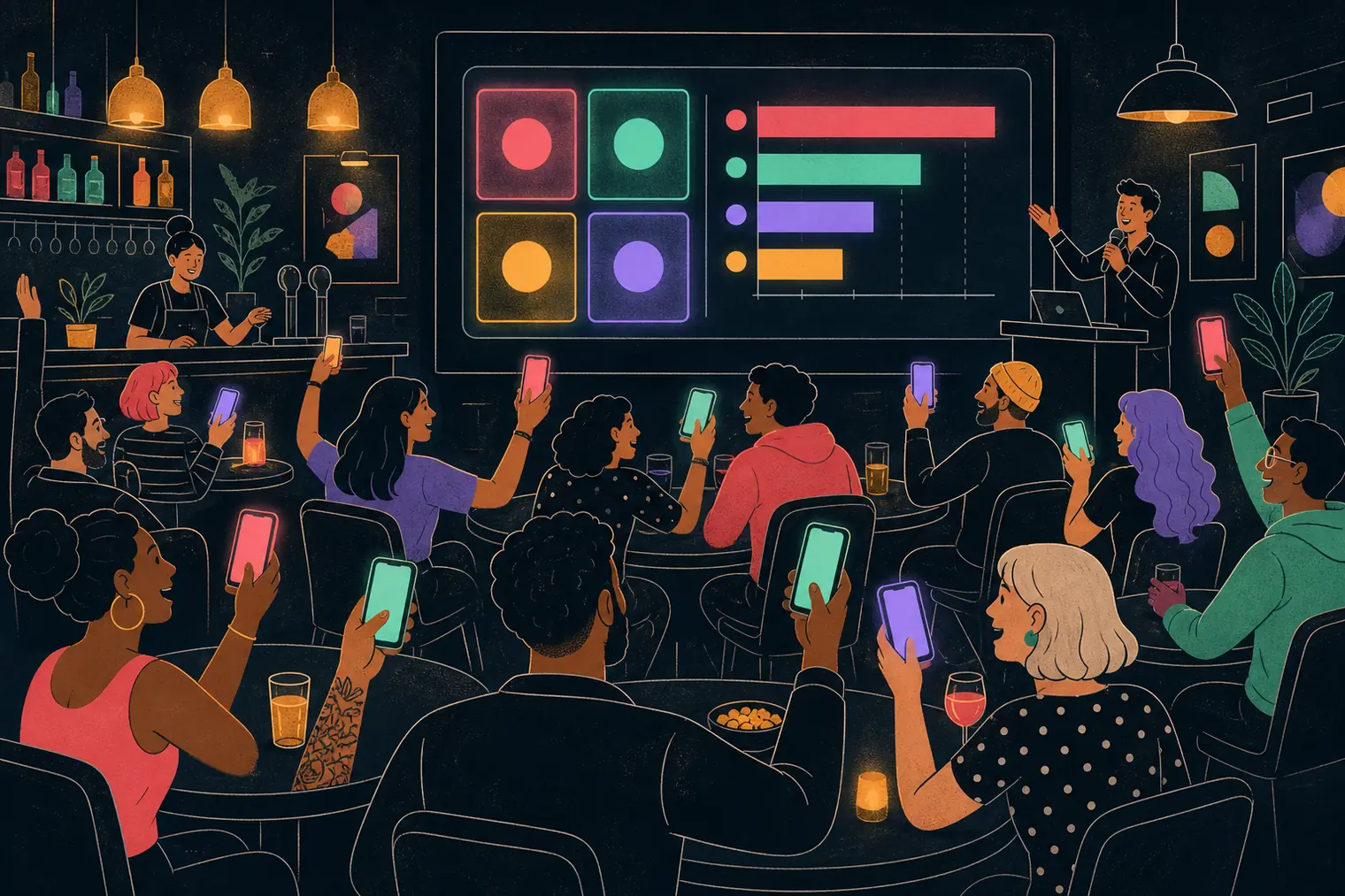
No app store, no downloads, no hardware to buy
Your logo, colours, and name on every screen guests see
Run the whole night from a single tablet behind the bar
Designed for it, because every venue has a bad night
The catalogue
Two shelves: party games for the whole room, tabletop games for the tables.
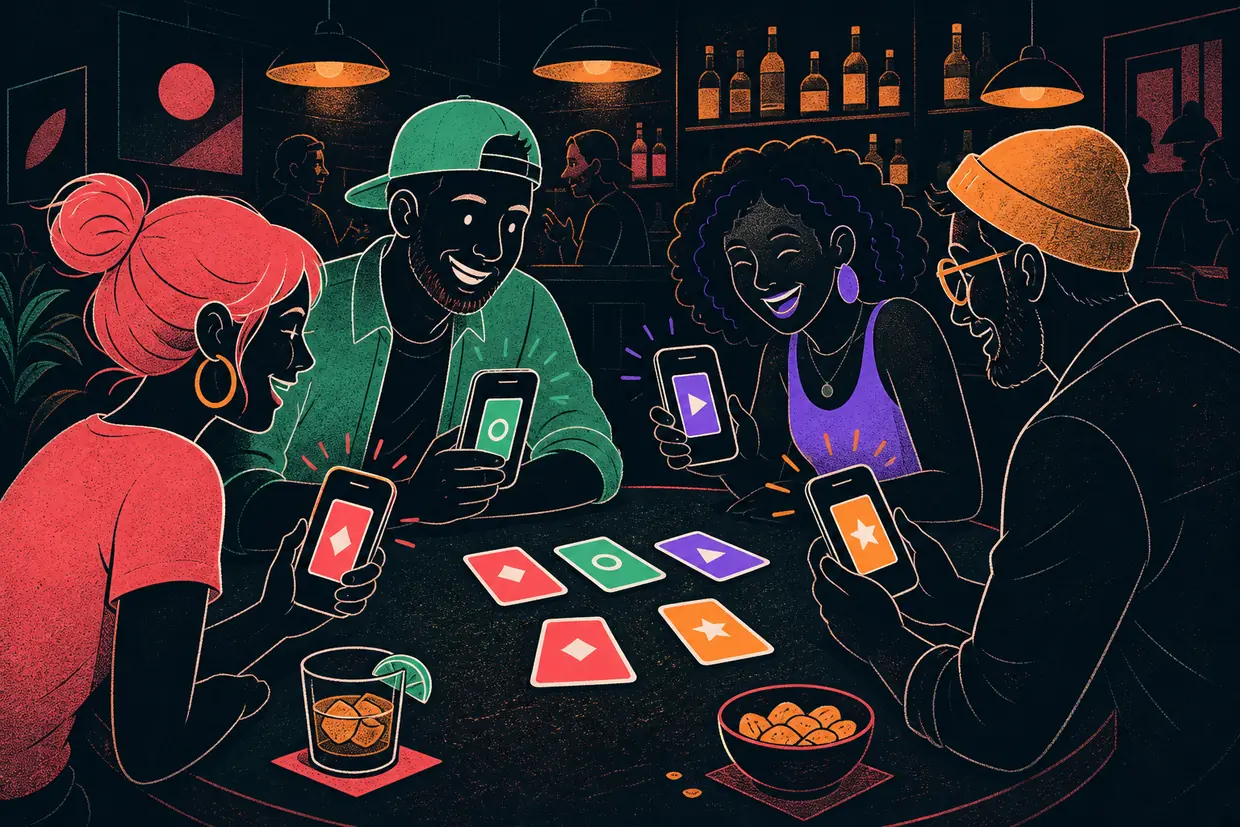
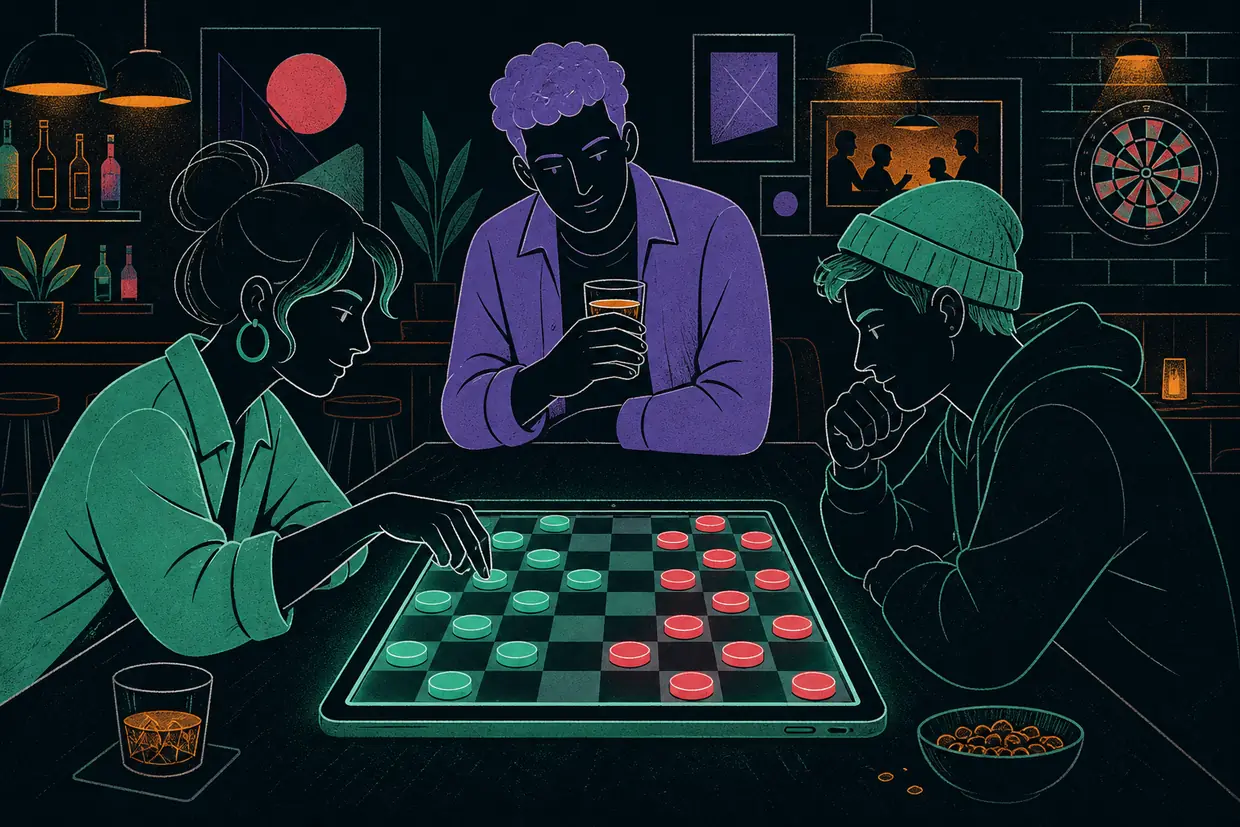
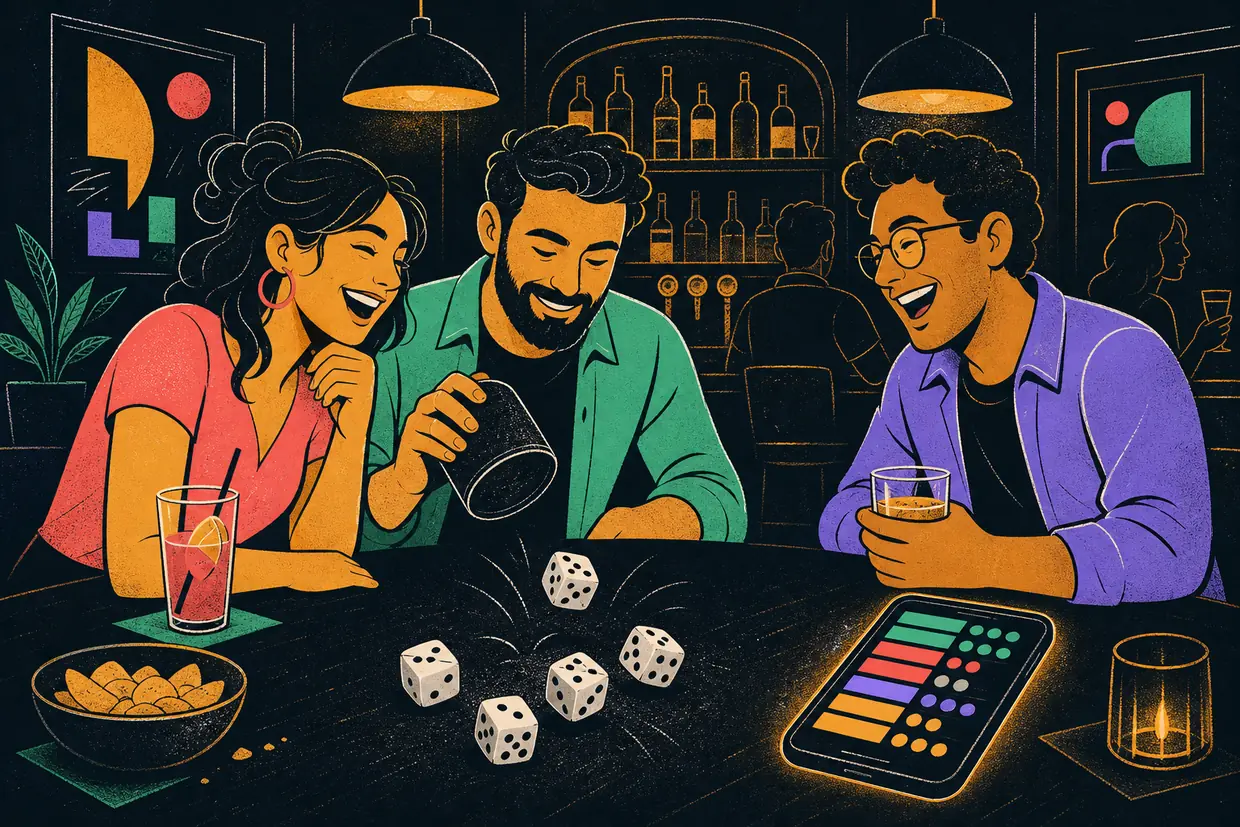
Party games take over the venue — one host, one big screen, everybody playing at once. Tabletop games run quietly at individual tables and stack up into leagues and ladders that give regulars a reason to come back next week.
Party games
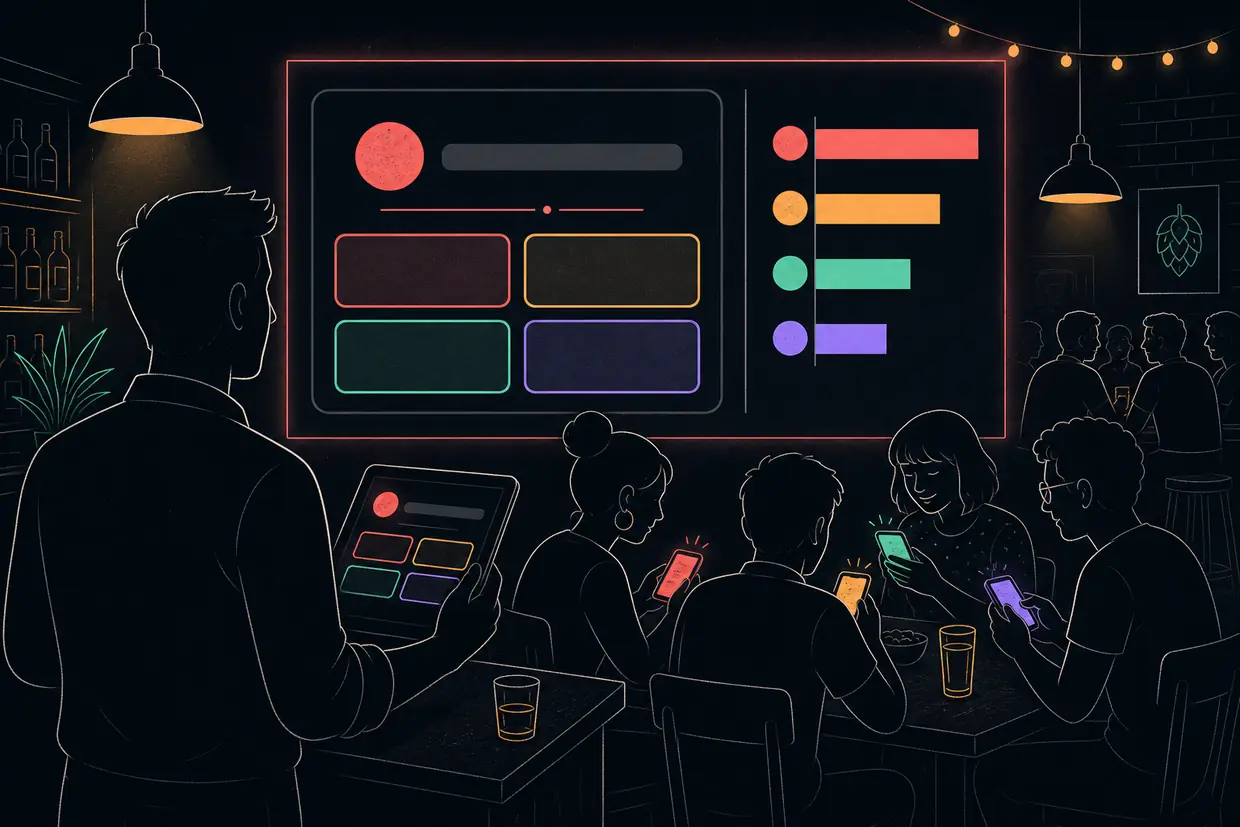
Trivia night that never loses an argument
Every question machine-generated, independently fact-checked, and approved by a human before it can be played. Runs on your branding, on your screens, from your host’s tablet.
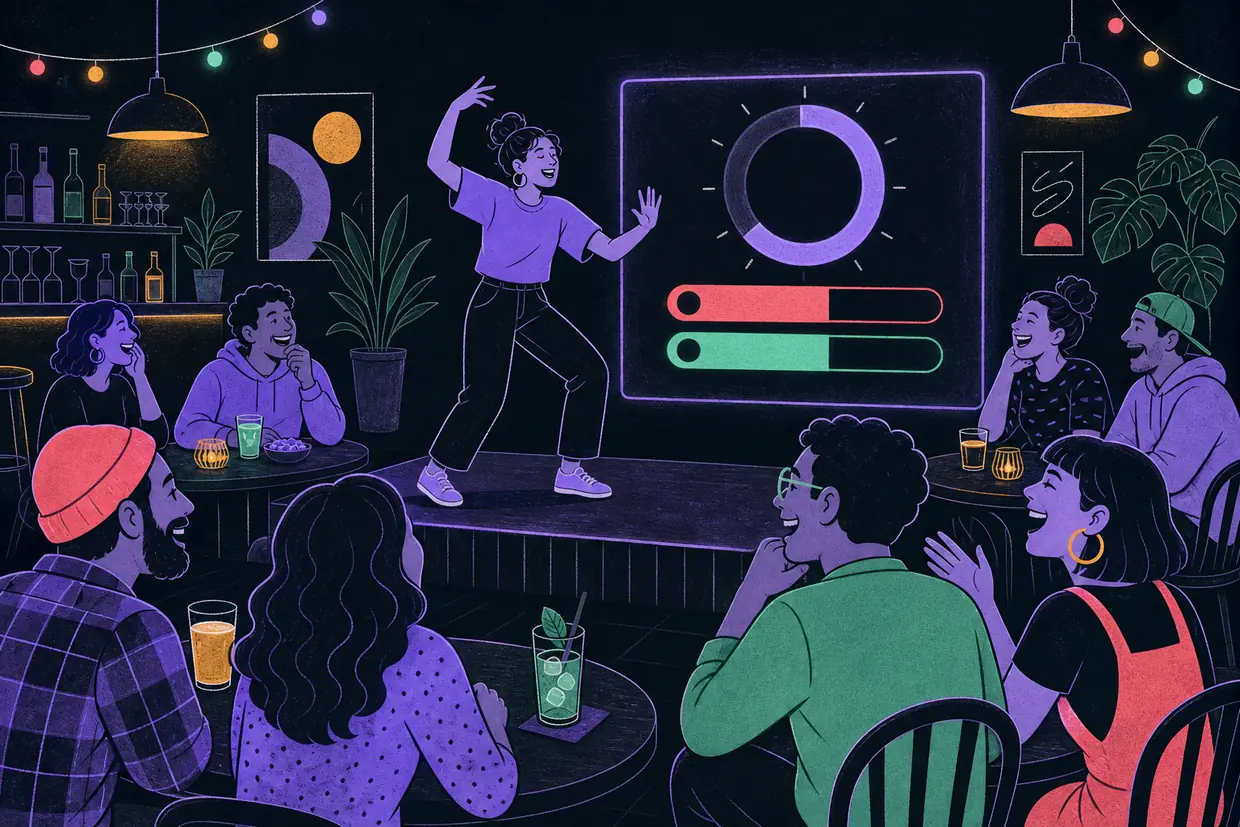
The whole room is the audience
Team charades run from the host’s tablet, with prompts on the performer’s phone, a countdown on the big screen, and scoring that keeps itself.
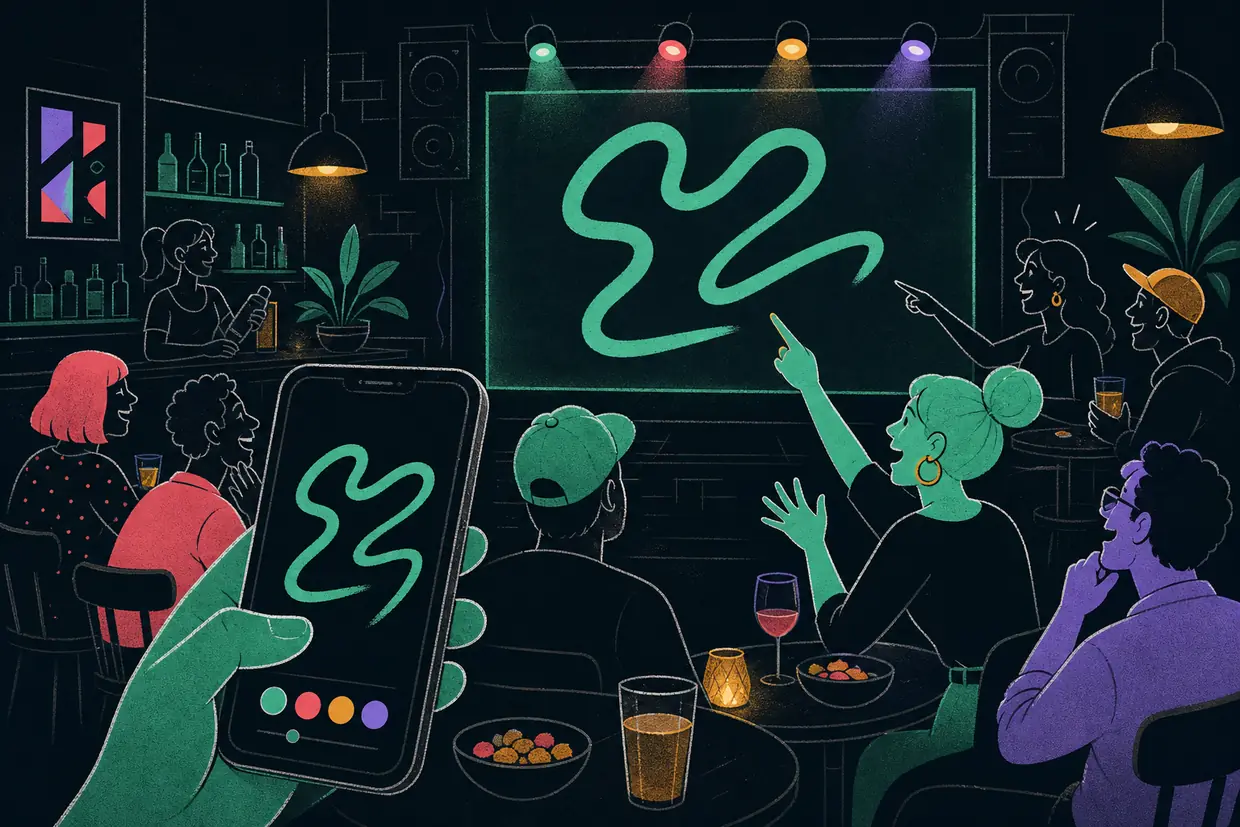
Draw on the phone, reveal on the big screen
Table teams draw on their own devices while the room watches the strokes appear live on the projector.
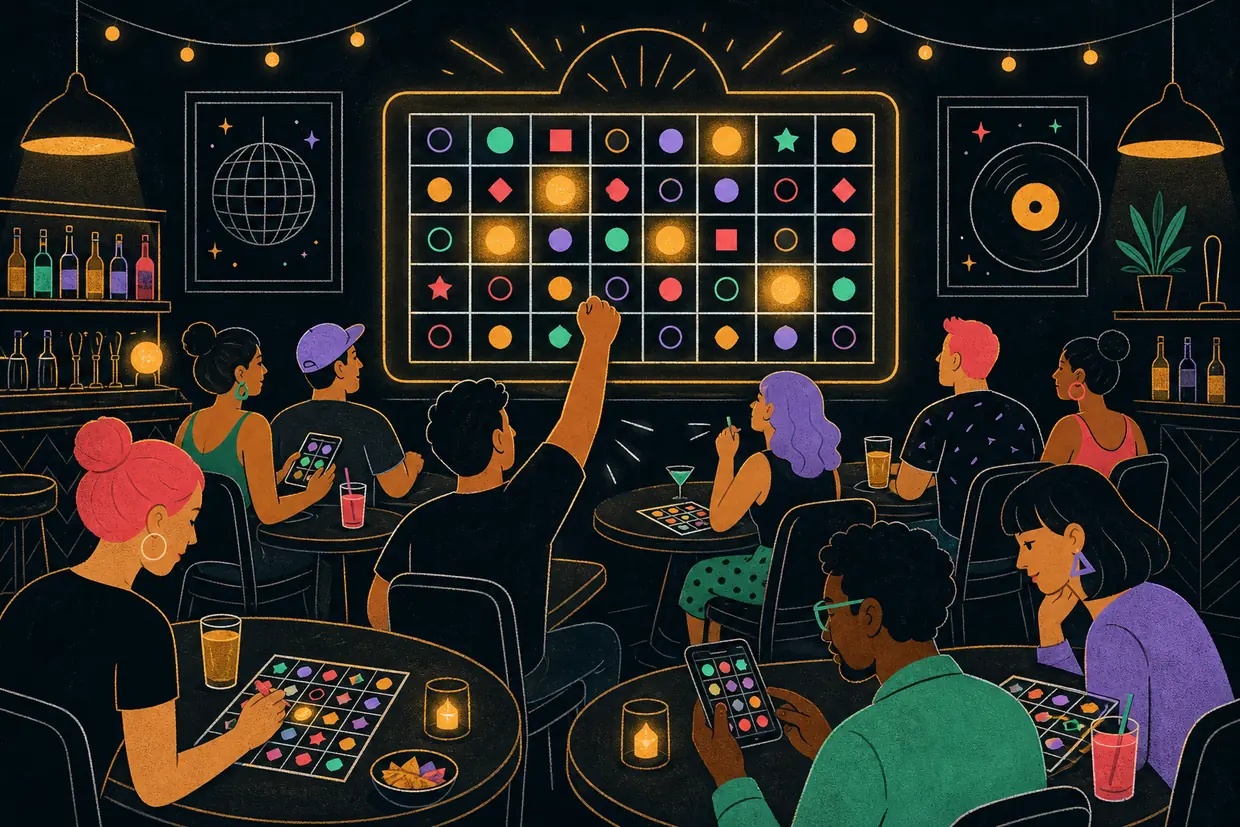
Bingo, but themed to your night
Music bingo, movie bingo, decade bingo, house-special bingo. Digital cards on phones, paper cards for the guests who want them, and a caller’s console that tracks every card in the room.
Tabletop games
Why venues use us
A game night should make money, not work.
The economics of a game night are simple: it fills the slowest shifts of the week and it keeps people in their seats ordering another round. What kills it is the labour — someone writing questions on Sunday, someone printing sheets, someone adding up scores while the room waits, someone arguing with a regular about an answer that turned out to be wrong.
Every game we build removes one of those jobs. The content is prepared and checked before the doors open. The scoring is automatic and recomputable. The host’s whole job is working the room, which is the part a human is actually good at.
- Fills the quiet nights. Midweek is what this is for.
- No hardware. A tablet for the host, a screen you already own, and the guests’ own phones.
- Your name on it. White-label branding across every screen, per venue.
- Guests join in seconds. Scan the code on the table, type a name, play. No account required.
- Multi-venue from day one. One account, many rooms, separate branding and calendars.
- Built for real rooms. Patchy Wi-Fi, a host who drops a tablet, a screen that gets unplugged.
How a night runs
Four steps, and only one of them happens while guests are in the room.
-
Schedule it
Pick the date, the venue, and the theme. Recurring weeklies, holiday specials, and blackout dates are all part of the calendar rather than something you keep in your head.
-
Prepare the content
Choose from the library or generate something themed to the night. Nothing reaches a screen until a human on your team has approved it.
-
Open the doors
Table tents carry a join code and a QR image. Guests scan, type a name, and they are in. Regulars sign in and keep their stats and streaks.
-
Host it
Reveal, time, close, score, settle a dispute, insert a break. One tablet, one authoritative host session, and a big screen that follows along.
Early access
Trivio is opening to a small number of venues.
We are working with a handful of bars, breweries, and DJ companies to get the first release right before opening it up. If you run trivia now — or you have been meaning to start — we would like to hear how your nights actually work.